Mandarin in Malaysia: Where You’ll Actually Use It
Malaysia’s multicultural landscape makes it one of the best places to learn and practice Mandarin. Whether you’re navigating bustling markets in Kuala Lumpur or connecting with local communities, this guide shows you exactly where and how you’ll use what you learn.
Why Malaysia Is Your Real-World Mandarin Classroom
Most language learners hit a wall when they try to practice. You study grammar rules, memorize vocabulary, then struggle to find people who actually speak the language. Malaysia flips this completely.
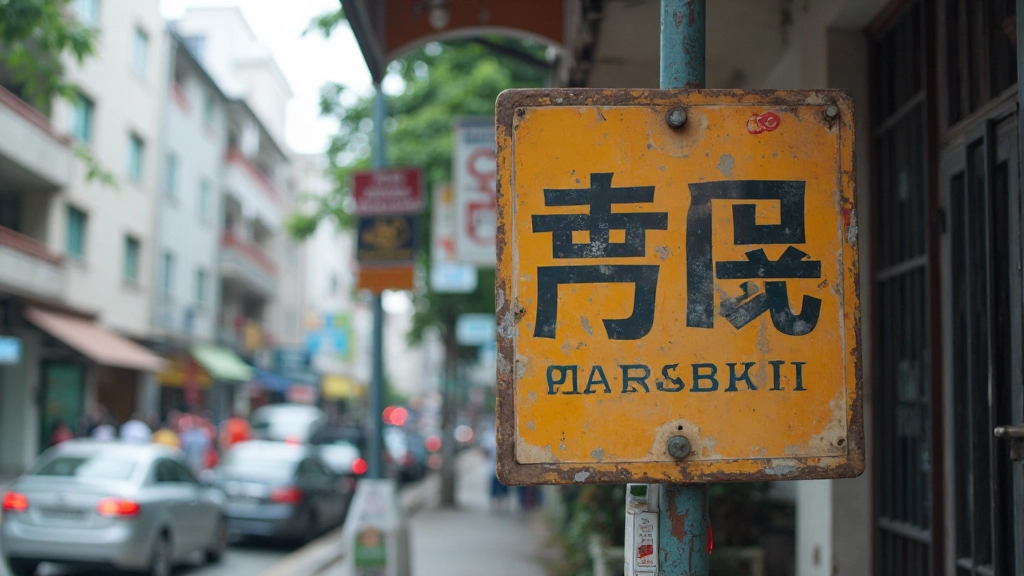
With over 3 million Mandarin speakers spread across the country, you’ll find native speakers in markets, restaurants, shops, and community centers. It’s not a classroom simulation — it’s real communication with real stakes. You’ll hear Mandarin spoken naturally, pick up slang and colloquialisms, and get immediate feedback when you try to use it yourself.
The advantage here? Malaysia’s Chinese communities have been maintaining the language across generations while adapting to a multicultural environment. You’ll encounter Mandarin mixed with English, Malay, and local dialects — which actually helps you understand how languages work in the real world, not just in textbooks.

Real Places Where You’ll Use Mandarin Every Day
These aren’t hypothetical scenarios — they’re situations you’ll actually encounter in Malaysia’s daily life.
Markets and Street Food Stalls
Hawker centers and wet markets in KL, Penang, and Melaka operate almost entirely in Mandarin and local dialects. You’ll negotiate prices, ask about ingredients, and chat with vendors who appreciate when you try to speak their language. Start with basic phrases like “多少钱?” (how much?) and build from there.
Chinese Restaurants and Cafes
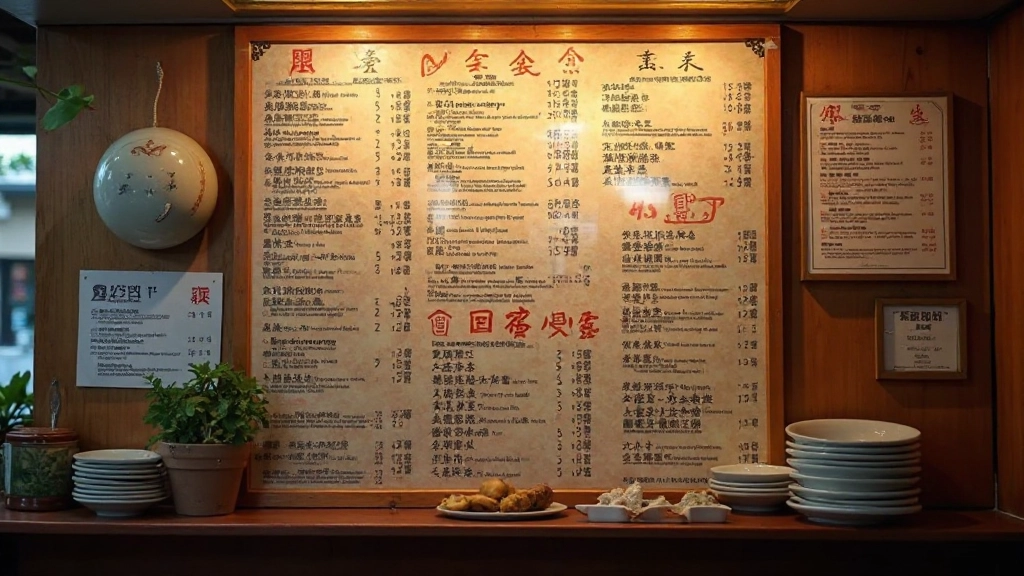
Whether it’s a dim sum spot or a casual noodle shop, staff will switch to Mandarin when they hear you trying. Menus are often in Chinese characters. You’ll learn food vocabulary fast — and honestly, the motivation to order correctly makes it stick better than any flashcard app.
Shopping and Retail Spaces
Major malls in Kuala Lumpur and Penang have stores run by Mandarin speakers. Electronics shops, bookstores, and boutiques with Chinese owners will often conduct transactions in Mandarin. You’ll encounter product names, colors, sizes, and price negotiations in real context.
Community Events and Festivals
Chinese New Year, Mid-Autumn Festival, and other cultural events are huge in Malaysia. You’ll hear Mandarin at celebrations, meet locals, and experience language in its most natural, social context. Plus, everyone’s in a good mood and more patient with learners.
What You’ll Actually Hear vs. What Textbooks Teach
Here’s something most courses won’t tell you: Malaysian Mandarin differs from Mainland Chinese and Taiwanese Mandarin. Not drastically, but enough to matter. Locals use more English loanwords, mix in Malay terms for local concepts, and speak at a natural conversational pace that’ll feel faster than your classroom drills.
When you’re at a market, vendors won’t slow down or simplify. They’ll use measure words you haven’t learned yet, abbreviate words, and assume you understand context. But that’s actually good news — your brain adapts faster when it has to. You’ll pick up patterns from repetition and context, not memorization.
The slang matters too. In Malaysia, you’ll hear “啦” (la) at the end of sentences constantly. It’s a particles that doesn’t exist in formal Mandarin but signals casual friendliness. Learning these small things makes you sound like you actually live here, not like you learned from a textbook published in Beijing.
How to Actually Practice While Living in Malaysia
Knowing where to practice and how to practice are two different things. Here’s what works.
Start With Transactional Phrases
Your first real-world conversations won’t be philosophical. They’ll be asking how much something costs, what ingredients are in a dish, or if a store has something in a different size. Master 15-20 transactional phrases first. “这个多少钱?” (How much is this?), “有吗?” (Do you have…?), “谢谢” (Thank you). These work everywhere and build confidence fast.
Repeat Interactions in the Same Place
Find one coffee shop, one market stall, one restaurant where you go regularly. The same vendor sees you, remembers you, and adjusts to your level. You’ll start with “一杯咖啡” (one coffee) and by week three you’re asking about their weekend. Repetition with the same people is how languages actually stick — not by grinding apps.
Listen Before You Speak
Spend your first week or two just listening. At markets, in shops, at restaurants. Don’t try to participate yet. You’ll pick up rhythm, tone, common phrases, and how Malaysians actually speak versus what your textbook says. This passive listening phase takes maybe 10-14 days and saves you months of confusion later.
Embrace Making Mistakes Publicly
In a classroom, mistakes feel embarrassing. In a market, they’re kind of charming. Vendors and shop owners will almost always help you. You’ll mispronounce something, they’ll gently correct you, and you’ll remember it forever because it happened in context with real stakes (getting the right food). That’s how language actually sticks.

Beyond Markets: Other Real-World Practice Opportunities
Markets and restaurants are obvious, but Malaysia has more spaces where Mandarin lives. Chinese bookstores in Pavilion KL or Mid Valley stock everything from children’s books to advanced novels. You’ll find staff who can recommend based on your level and discuss books with you in Mandarin. That’s reading practice plus conversation combined.
Religious and cultural centers offer another angle. Temples often have community activities, classes, and regular gatherings where Mandarin speakers congregate. You’re not forced into it, but you’re around the language naturally. Same with Chinese chess clubs, calligraphy workshops, and martial arts schools that operate in Mandarin.
Language exchange groups exist too, though they’re less necessary here. Since you’ve got native speakers everywhere, formal exchange groups become optional. But they exist if you want structured conversation partners who are specifically helping learners. Check bulletin boards at universities or ask at Chinese cultural associations in Kuala Lumpur, Penang, or Johor Bahru.
Common Mistakes People Make When Learning Mandarin in Malaysia
Relying Only on Apps and Not Speaking
You’re surrounded by speakers. If you’re just grinding Duolingo at home, you’re missing the whole advantage. Apps are supplements, not the main course. Get out and use what you learn within 48 hours of learning it. Your brain retains things faster when there’s real-world pressure.
Being Shy About Your Accent
Everyone has an accent. Even people from Beijing sound different from Shanghai. Locals don’t care if you sound foreign — they care if you’re trying. Speak up, make mistakes, laugh about it. Vendors will correct you gently, and you’ll improve faster than people who never attempt real conversation.
Ignoring Local Variations and Dialects
Standard Mandarin is useful, but Cantonese and Hokkien are spoken in Malaysia too. You don’t need to learn them fluently, but knowing a few words shows respect and understanding. Even learning “你好” (hello) in Cantonese gets positive reactions. Language learning is also cultural appreciation.
Not Consuming Media in Mandarin
Malaysia has access to Chinese movies, dramas, news, and music. Watching a Malaysian or Hong Kong drama with subtitles helps you hear natural speech patterns. Listening to Mandarin pop music is less boring than flashcards. You don’t need to understand everything — just immerse yourself passively while doing other things.
You’ve Got the Perfect Setup — Now Use It
Malaysia gives you something most language learners don’t have: a real, living community of speakers and daily situations where the language matters. You can’t get this from an app. You can’t replicate this in a classroom in Western countries. It’s a genuine advantage that’s worth leveraging.
Start small. Pick one place. Use five phrases. Make a regular vendor smile by trying. That’s how it begins. Within a few weeks, you’ll realize you’re thinking in Mandarin, understanding more than you expected, and actually having conversations. Not simulated practice conversations — real ones where communication actually happens.
The language is everywhere around you. The question isn’t whether you can learn Mandarin in Malaysia. It’s whether you’ll actually step outside and use what’s already there.
“Learning Mandarin here is different because you’re not just learning a language — you’re learning to communicate with actual people who live here. That pressure, that realness, makes everything stick faster.”
— Language learner in Kuala Lumpur
Disclaimer
This article provides informational guidance about learning Mandarin Chinese in Malaysia. It’s based on observations about how languages are spoken and practiced in Malaysian communities. Learning outcomes depend on individual effort, consistency, and teaching methods. Language proficiency develops at different rates for different learners. This information is meant to complement formal instruction, not replace it. Consider working with qualified language instructors to ensure structured learning that matches your specific goals and level.